
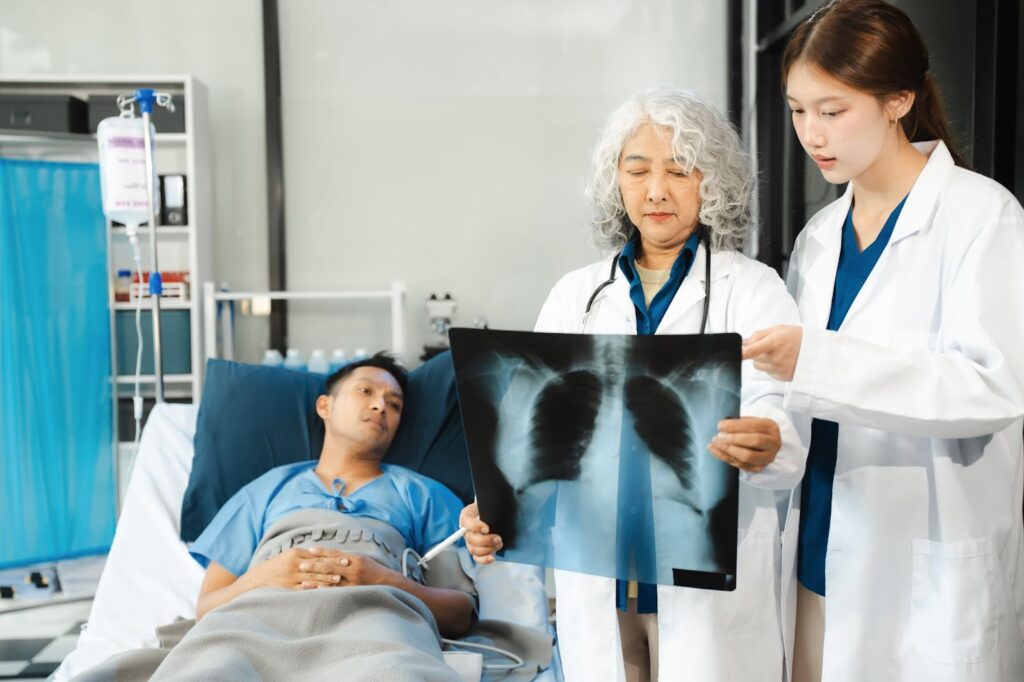
Pneumonia is a common but potentially serious respiratory infection that affects the lungs. It occurs when the air sacs in one or both lungs become inflamed and fill with fluid or pus, making it difficult to breathe properly. Pneumonia can be caused by bacteria, viruses, or fungi, with bacterial and viral infections being the most common. It can affect people of all ages, but young children, elderly individuals, and people with weakened immune systems are at a higher risk.
The symptoms of pneumonia can vary from mild to severe depending on the cause and the patient’s overall health. Common signs include persistent cough, fever, chills, chest pain while breathing or coughing, shortness of breath, fatigue, and sometimes coughing up mucus. In some cases, especially in older adults, symptoms may also include confusion or sudden weakness. Because these symptoms may resemble those of the flu or other respiratory infections, proper medical evaluation is important.
Diagnosis typically involves a physical examination along with diagnostic tests such as chest X-rays, blood tests, or sputum analysis to identify the cause of infection. Early diagnosis helps doctors determine the right treatment plan, which may include antibiotics for bacterial pneumonia, antiviral medications, rest, hydration, and supportive care. With timely treatment and proper medical attention, most people recover well from pneumonia and regain normal lung function.